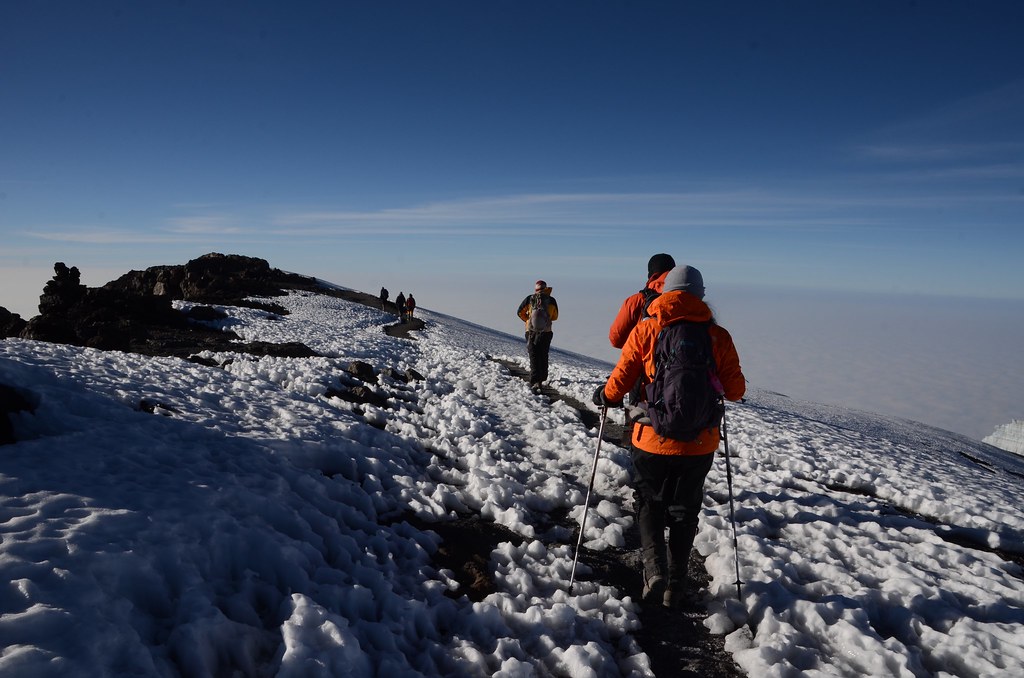
Before attempting to climb Mount Kilimanjaro, it is essential to undergo a thorough medical checkup. Although the mountain does not require technical climbing skills, it challenges your body with long trekking days, high altitude, and drastic temperature changes. A medical evaluation helps ensure you are physically prepared and safe for the entire journey.
Your doctor can identify any potential health concerns early and provide guidance tailored to your fitness level and medical history.
General Physical Examination
Start with a complete physical checkup to assess your overall health. Your doctor will review:
-
Blood pressure
-
Heart rate
-
Muscle and joint function
-
General fitness level
This ensures your body can handle the physical demands of trekking 6–8 hours per day.
Heart and Lung Health Assessment
Kilimanjaro’s high altitude places extra strain on the cardiovascular and respiratory systems. A dedicated assessment of:
-
Heart function
-
Lung capacity
-
Breathing patterns
helps confirm that you are ready for long hikes and low-oxygen environments.
If you have a history of asthma, heart disease, or breathing difficulties, this assessment is especially important.
Review of Chronic Conditions
If you have any long-term medical conditions such as:
-
Diabetes
-
Hypertension
-
Asthma
-
Thyroid disorders
-
Joint issues
your doctor will advise you on how to manage these conditions during the climb. This may include adjusting medication, monitoring symptoms, or taking extra precautions at high altitude.
Altitude Sickness Prevention Advice
Discuss altitude-related risks with your doctor. They can:
-
Explain symptoms of Acute Mountain Sickness (AMS)
-
Recommend prevention strategies
-
Suggest how to respond if symptoms appear during the trek
Understanding altitude sickness early helps you react quickly and safely on the mountain.
Recommended Medications
Your doctor may prescribe or suggest medications to support your climb:
-
Diamox (Acetazolamide): Helps with acclimatization and reduces altitude sickness symptoms
-
Pain relief medications: Such as ibuprofen or paracetamol for muscle soreness and headaches
-
Hydration salts or electrolytes: To maintain fluid balance during long trekking days
-
Anti-nausea medication: If you are prone to motion sickness or altitude-related nausea
Always follow professional medical advice and inform your guide of any medications you are taking.
Why a Medical Check Is Important
A proper medical evaluation ensures you are:
-
Fit for the physical demands of trekking
-
Prepared for altitude-related challenges
-
Aware of any personal health risks
-
Confident and safe throughout the climb
Taking the time to get cleared by a medical professional greatly increases your comfort, safety, and success rate on Mount Kilimanjaro.